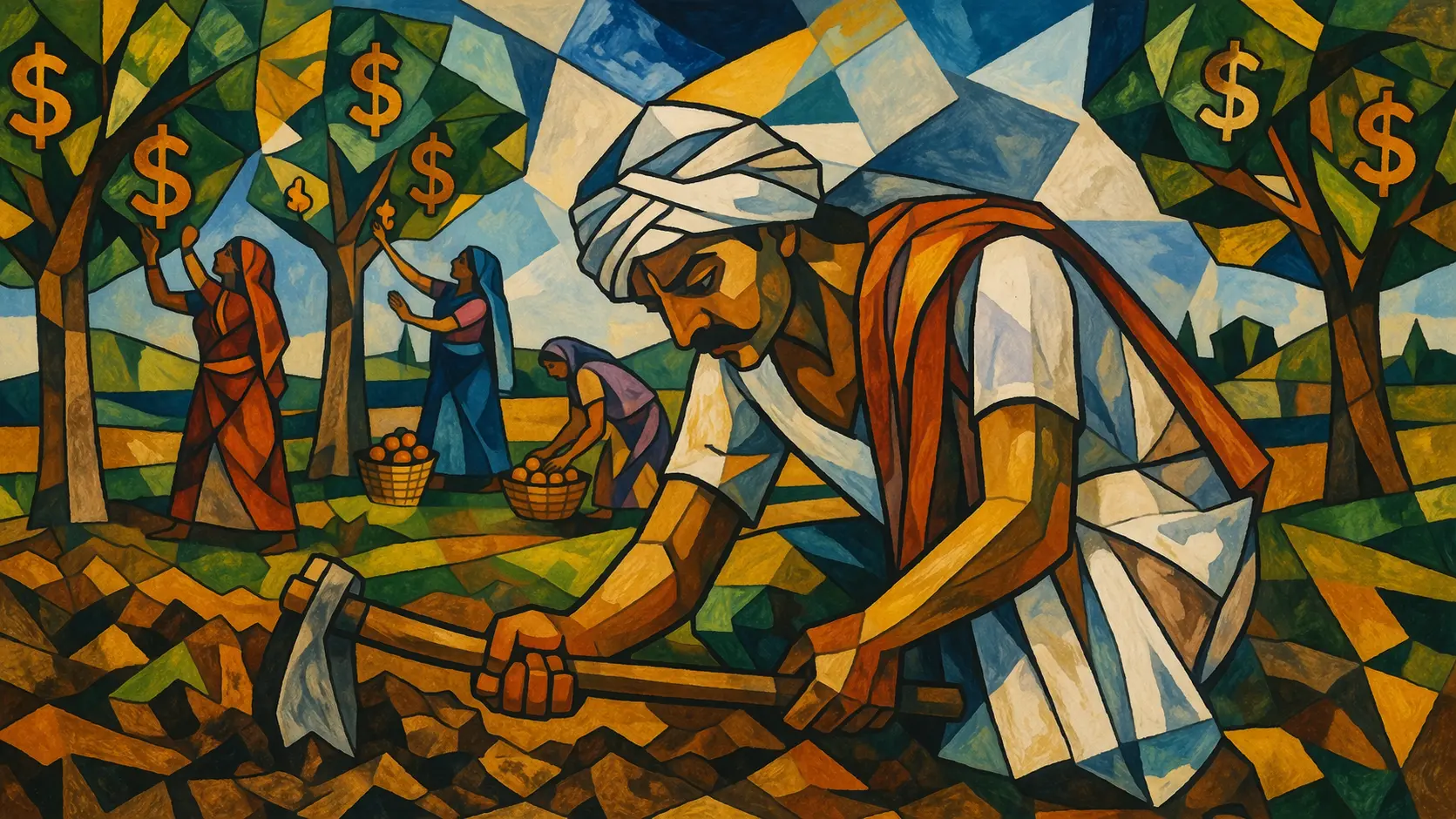
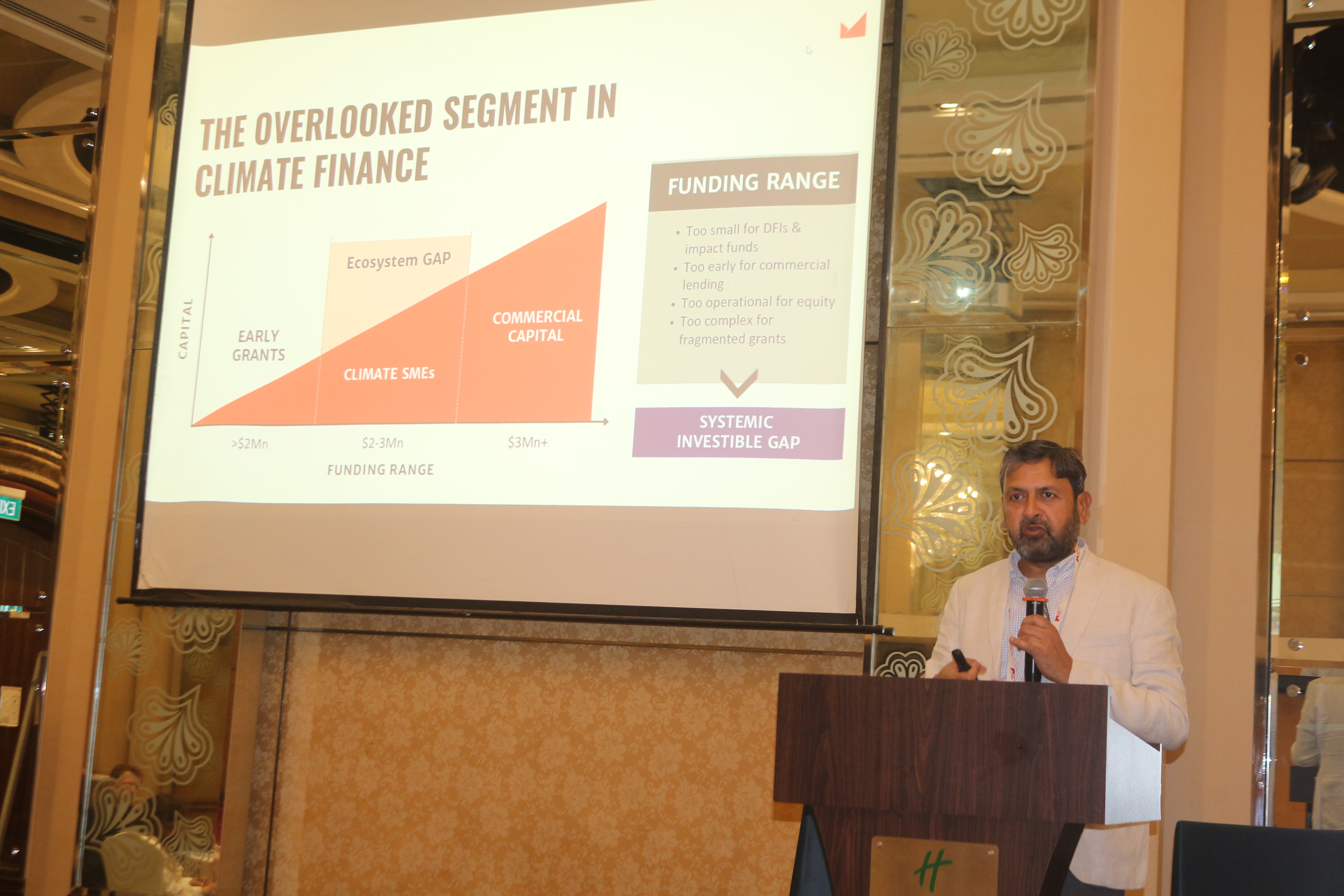
Across the climate ecosystem, capital is available. Grants are abundant. Institutions are active. Yet a critical segment remains underserved, not due to a lack of funding, but because structured investability is missing.
Empowering the Climate Ecosystem by bridging capital, innovation, and talent, enabling funders, climate ventures, technology partners, and contributors to collaborate effectively. SAFFAL creates the structure needed to unlock opportunities, scale high-impact solutions, and drive measurable climate outcomes at every stage of the ecosystem.
"SAFFAL gave us the clarity we needed. Our finances feel organized, and decisions are made faster than ever."
AT
Amelia Torres
Co-Founder at Bean & Bloom Café
AT
"Reporting that used to take days now takes minutes. SAFFAL transformed how our team works."
MC
Marcus Chen
CFO at Brightleaf Studios
MC
"The real-time dashboard gave us a single source of truth for all our financial accounts."
PN
Priya Nair
Head of Operations at Nuvax Group
PN
SAFFAL brings structure to climate opportunities, enabling faster decisions, better alignment, and measurable outcomes across the ecosystem.
Curated and standardized climate opportunities, ready for evaluation and deployment.
Tracking the flow of funding into high-impact ventures and solutions.
A growing network of funders, ventures, and partners collaborating on climate action.
Streamlined processes that accelerate decision-making and capital deployment.
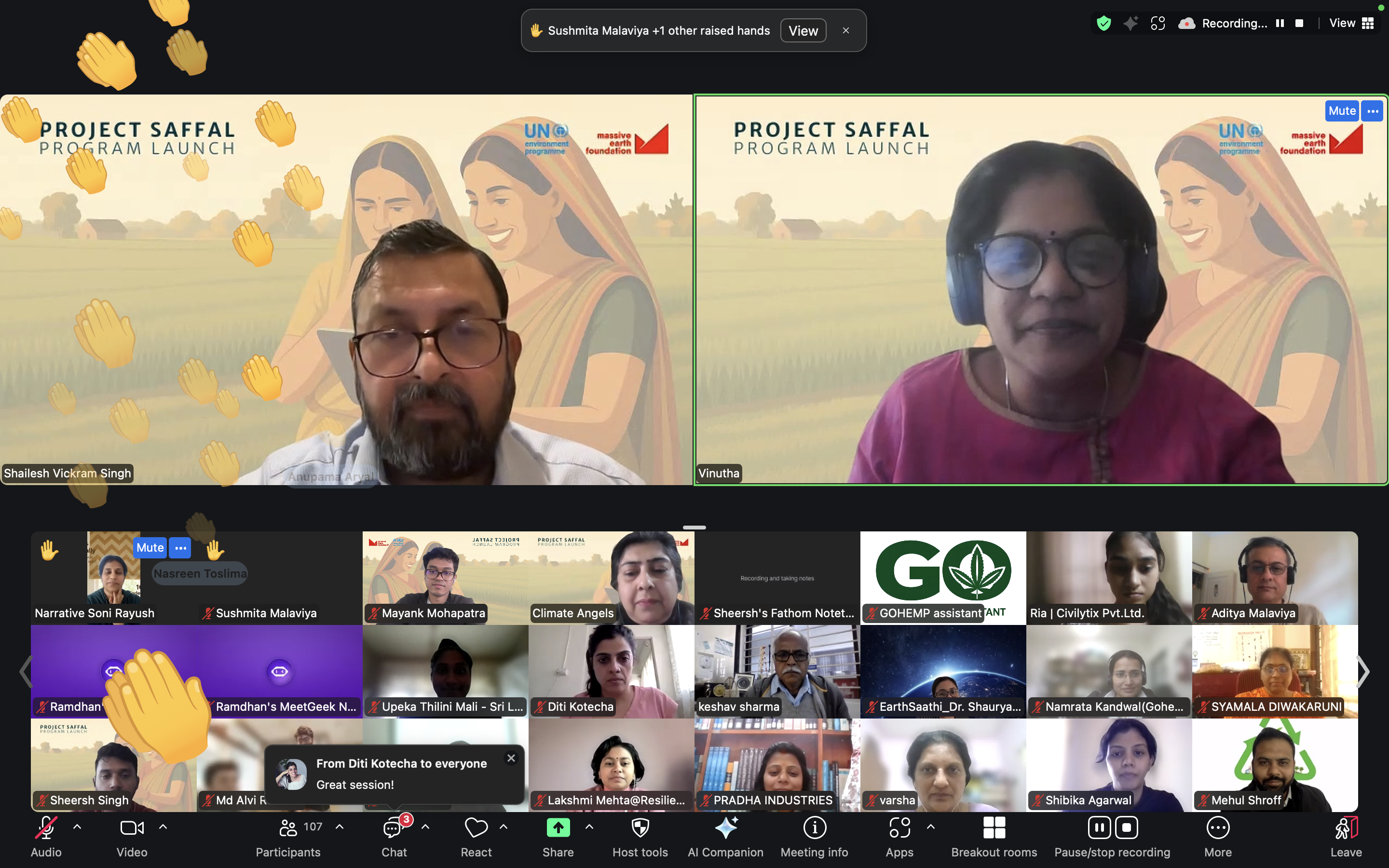
SAFFAL’s accelerator enables high-potential climate ventures to refine their models, strengthen investability, and connect with the right capital and partners to drive real-world impact.
Sessions
Climate SMEs
Focus Sectors
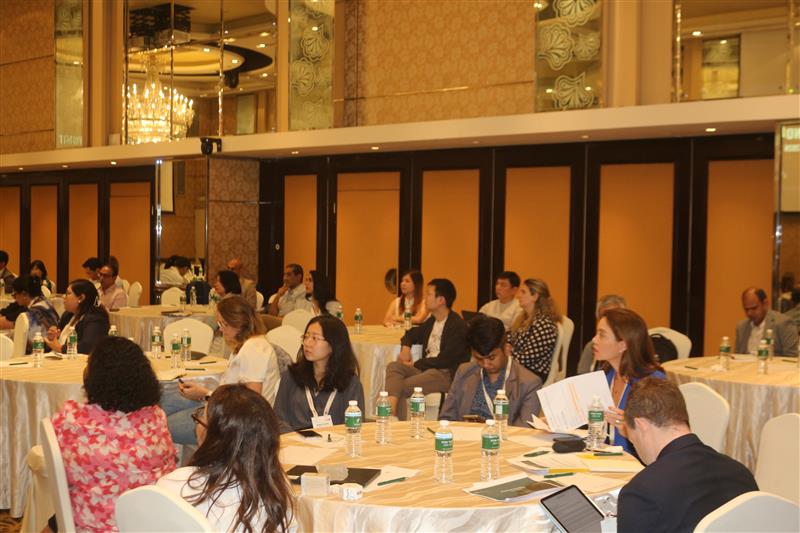
MEF has been building a robust, innovation-driven ecosystem for climate-tech startups, enabling entrepreneurs to scale solutions addressing some of the world’s most pressing environmental challenges.
Women led startups and enterprises working at the intersection of climate change and sustainable livelihoods
Applications received from women led enterprises from across the South Asia
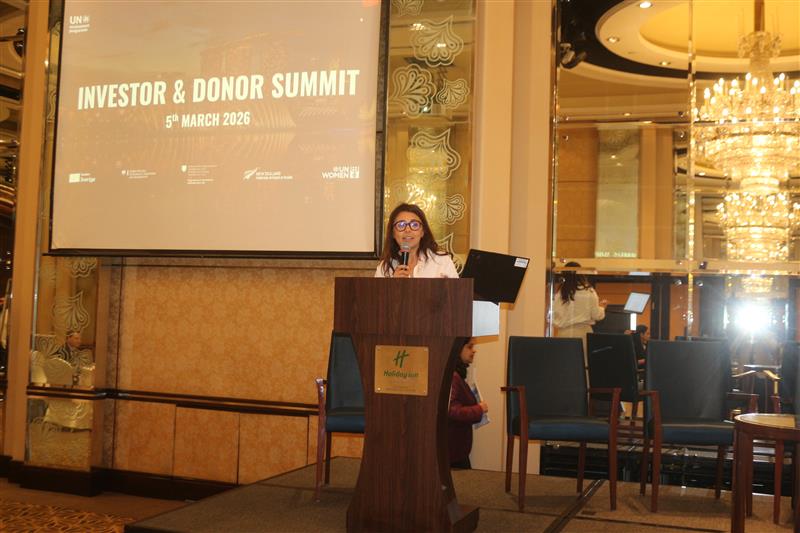
Myriem Touhami
Head of Finance Unit, UNEP
“Project SAFFAL represents a focused commitment to turning vision into measurable progress, where disciplined execution meets long-term impact.”
What is SAFFAL?
SAFFAL is a catalytic climate innovation facility designed to help promising climate and sustainability ventures move from early validation to scale. It does this by combining ecosystem support, operator-led capacity building, market access, investment readiness, and access to aligned capital partners.
Why was SAFFAL created?
SAFFAL was created to address a persistent gap in the climate innovation ecosystem: many early-stage ventures are too advanced for grant-only support but still too early for conventional institutional capital. SAFFAL is designed to bridge that “missing middle” by combining startup support with catalytic and aligned capital pathways.
What problem is SAFFAL trying to solve?
SAFFAL addresses the financing and ecosystem gap faced by climate startups between prototype and growth stage. Many ventures struggle not only with access to capital, but also with investment readiness, market linkages, technical validation, and ecosystem visibility. SAFFAL addresses these barriers through a structured network of operators, capital partners, and ecosystem collaborators.
How is SAFFAL different from an accelerator, fund, or grant program?
SAFFAL is not just an accelerator, and it is not a traditional investment fund. It is structured as a facility that integrates ecosystem operators, startup support programs, market linkages, catalytic capital, and strategic investor engagement. This allows SAFFAL to support ventures more holistically and help capital providers access better-prepared opportunities with stronger impact potential.
Who is SAFFAL for?
SAFFAL is designed for climate and sustainability startups, capital partners such as donors, investors, foundations and DFIs, and operators such as accelerators, incubators, venture studios, research institutions, and ecosystem organizations. It can also include strategic partners and professional experts who help strengthen venture growth and capital mobilization.
Which sectors does SAFFAL focus on?
SAFFAL focuses on climate and sustainability sectors including renewable energy, energy storage, electric mobility, climate fintech, carbon markets and carbon removal, sustainable agriculture, waste and circular economy, climate data and analytics, climate adaptation technologies, industrial decarbonization, water solutions, and nature-based solutions.
Which geographies does SAFFAL cover?
SAFFAL is intended to support startups across Asia and other emerging markets, with a focus on strengthening climate innovation ecosystems where early-stage climate capital and scaling support remain limited.
How does SAFFAL work in practice?
SAFFAL works through a structured ecosystem model. Operators identify and support promising startups through bootcamps, accelerators, innovation challenges, and investment-readiness programs. Capital partners then engage with a more curated pipeline of ventures that have received structured support. SAFFAL also provides ecosystem visibility, market access opportunities, and impact tracking across the platform.
Who is behind SAFFAL?
SAFFAL is managed through a consortium-style approach involving ecosystem organizations, investors, and development partners committed to advancing climate innovation. For the website, it would be good to name the founding entity or anchor institutions explicitly once finalized, because the current FAQ text describes the structure but does not yet specify the exact legal or institutional lead.
How does SAFFAL measure impact?
SAFFAL tracks measurable climate and development outcomes such as greenhouse gas emissions reduced or avoided, renewable energy capacity deployed, waste diverted or recycled, water saved or treated, jobs created, and communities served. Impact metrics are reported periodically to capital partners.
How can organizations get involved with SAFFAL?
Organizations can engage with SAFFAL as capital partners, operators, strategic partners, ecosystem collaborators, or expert contributors. Participation pathways are designed to match each stakeholder’s role in supporting climate innovation and capital deployment.